
 Vet attendance courses
 Vet Nurse attendance courses
 Vet Support Staff courses
 All attendance courses
 Certificate Programmes
 Academies
 On-Demand


The Reproductive Medicine Collection




Multiple Lecturers
An extensive, tailored learning series comprising of fourteen expert-led videos. This bundle combines the Reproduction in Companion Animals: From the Planned to the Pathological series with a selection of additional reproduction-focused content, as outlined below:
Reproduction in Companion...
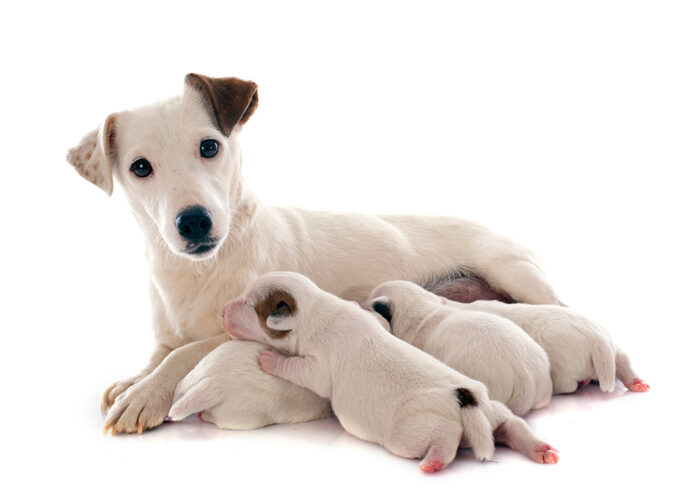
Nursing the Breeding Bitch & Neonates
Angelika von Heimendahl
A six-part learning series with reproduction specialist vet Angelika von Heimendahl.
Breeders are not the easiest of clients and reproduction can be challenging to fit into the everyday life of a practice. Nurses are often the first point of contact that breeder clients will have with the...
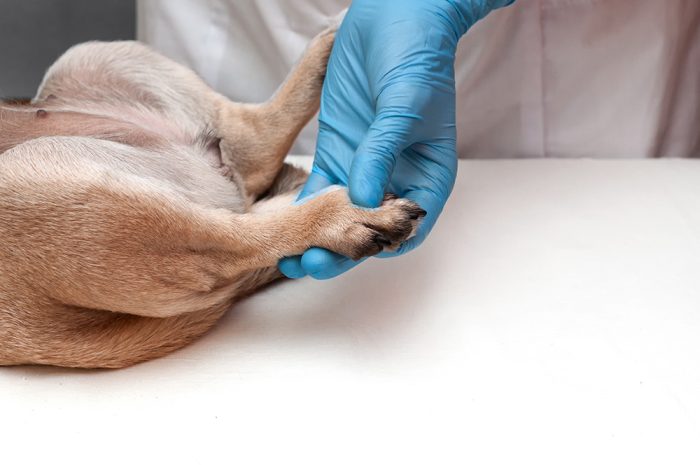
Osteoarthritis for Vet Nurses - Updates, Clinical Assessment and Tips

Ross Allan
Team management of osteoarthritis (OA) patients is gaining increased acceptance as the most effective means for optimising OA patient care. This culture shift presents an opportunity, and need, for veterinary nurses to gain further insight into OA, how it is diagnosed, advances in therapeutics and...
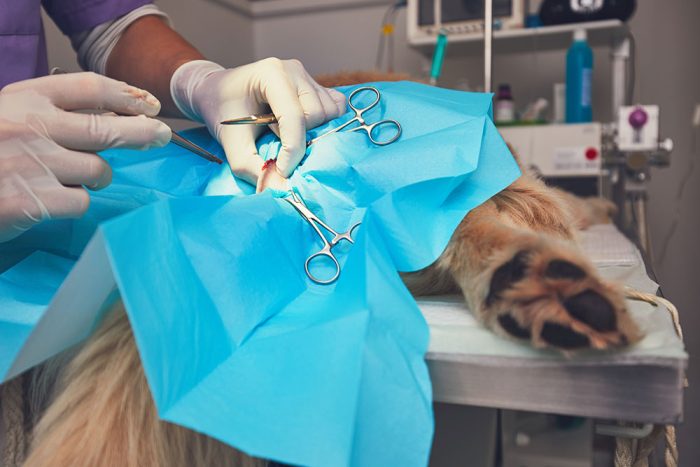
The Nurses' Role in Supporting Surgical Cancer Patients

Multiple Lecturers
Surgery is one of the three main pillars of cancer treatment in both human and veterinary medicine. The veterinary nurse plays a vital role in all aspects of surgical oncology, whether supporting owners during a difficult cancer diagnosis and potentially confusing pre-surgical discussions, to...
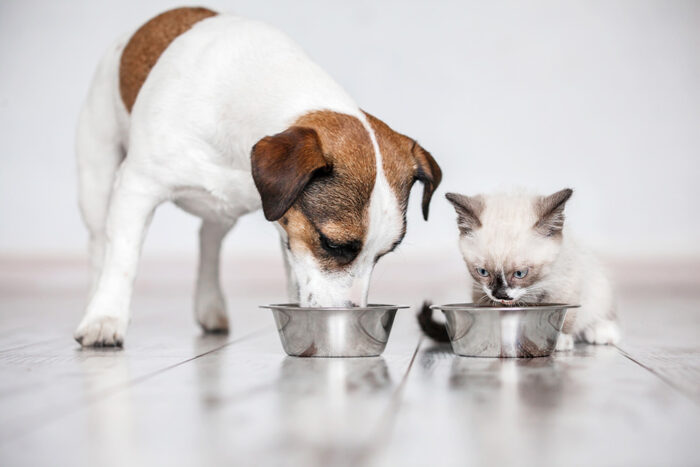
Clinical Nutrition for Veterinary Nurses

Georgia Woods-Lee
Nutrition is the cornerstone of all excellent veterinary care. This learning series with Georgia Woods-Lee will look at each life stage to ensure an optional recommendation is always given. From growth, throughout adulthood and into their senior years, nutrition plays a key role in maintaining...
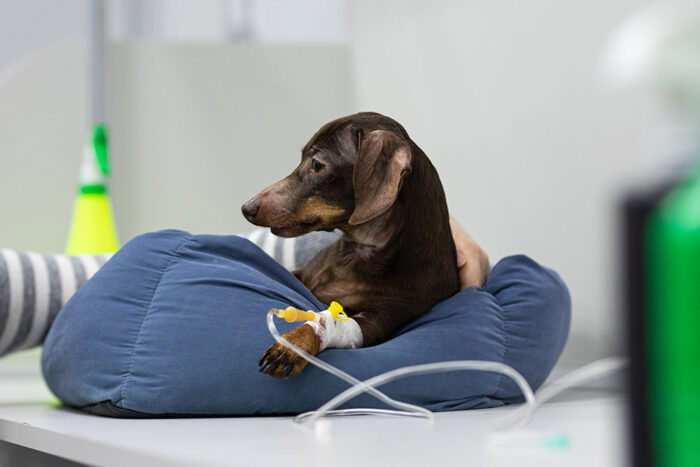
The Role of Nutrition in Management of Common Medical Conditions

Florence Vessieres
Nutrition can be easily overlooked when formulating treatment plans for our patients, with the focus often being on pharmacological intervention and other supportive care measures, but it can and should play a fundamental role in the management of most medical conditions, whether it is to support...
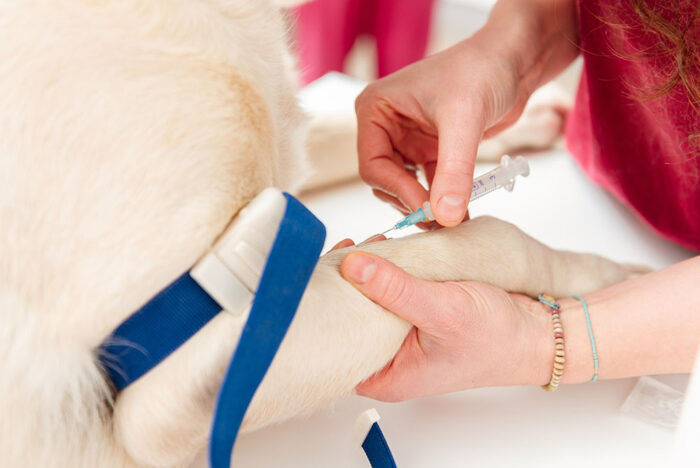
Diagnostic Sampling and Analysis Techniques for Veterinary Nurses

Sophie McMurrough
RVNs deal with different types of laboratory samples every day in practice, and it is essential that they are trained in sample collection, handling and quality analysis to prevent degradation of the sample and laboratory error which can lead to inaccurate or delayed diagnosis and...
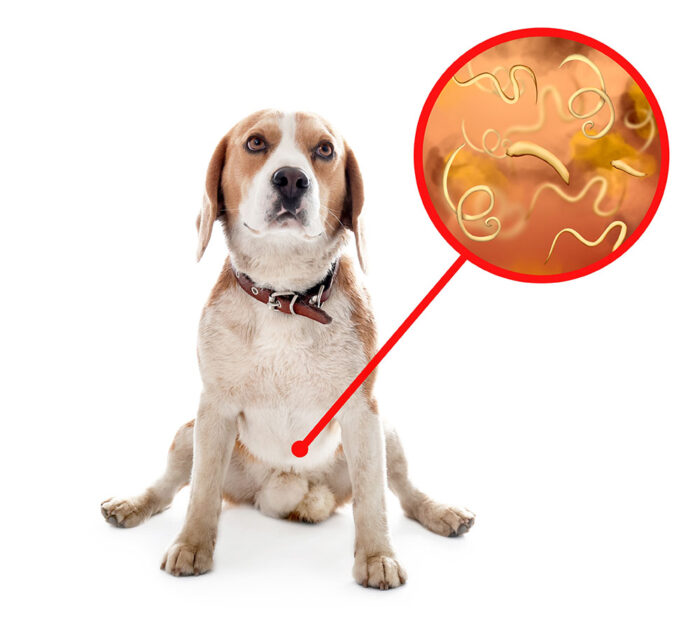
A Risk Based Approach to Parasite Control for Veterinary Nurses

Ian Wright
Strategies to limit parasitic disease rely on a combination of practical control measures and preventative treatments. A risk based approach to the use of preventative products is vital to safeguard animal and human health, while ensuring over treatment does not take place and it allows bespoke...
Nursing the Cancer Patient
Linda Ryan (Roberts)
A five-part learning series for nurses with Linda Ryan RVN.
Cancer is a common cause of death and illness in older pets. Up to one-in-four cats and dogs over eight years old will die from it, and many more pets live with chronic cancer conditions. Therefore veterinary nurses in all types of...
Nursing the Feline & Canine Diabetic Patient

Nicola Lakeman
A learning series of four videos filmed at a Livestream event with veterinary nurse Nicola Lakeman.
Cats and dogs with diabetes are commonly seen in practice. These cases may present as an acute emergency requiring intensive nursing care and treatment, or be diagnosed from consultations such...